

Evaluating FIFA's match calendar
FIFA has set the international match calendar for the 2026 men's finals, which will run from June 11 to around July 19. Domestic leagues need to finish by late May 2026, which could make scheduling tight. The UEFA Champions League will see changes with eight Swiss-phase matches, leading to more midweek games and packing the European schedule.
This situation raises concerns about player fatigue due to the demanding schedule that could affect performance and possibly increase injury risks. The analysis may need to consider various factors like squad rotation, travel, and the recent performance of EPL teams in European competitions.Analyzing match scheduling impacts
I'm looking at the calendar mechanics that lead to a packed 29-day, 9-match schedule. Things like the UCL Swiss phase with eight matchdays, Carabao Cup semifinals, and FA Cup rounds all contribute, along with FIFA international windows and TV scheduling.
This congestion affects European performance due to player fatigue, injury risks, less time for tactical training, and the physical demands of Premier League play. Clubs that are part of the "Big Six" and those involved in deep domestic cups are particularly impacted, especially if they have many internationals on the squad.Examining club qualifications and strategies
Looking at club qualifications for the 2025 Club World Cup, I see Chelsea and Manchester City will represent England, being the UCL winners in 2021 and 2023. Real Madrid is also notable for their wins but has a country cap limiting two clubs from the same league. Liverpool won't qualify due to this cap, despite their high ranking.
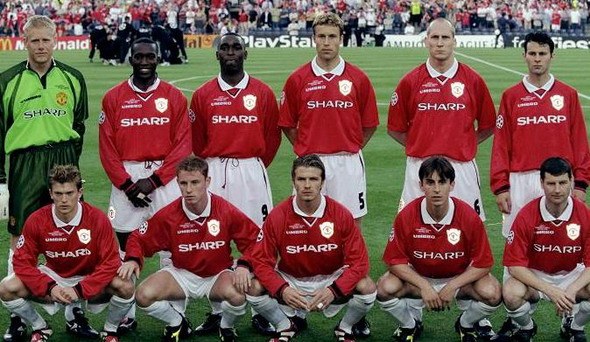
To manage the demanding schedule of 29 matches in 9 days, teams might develop coping strategies like rotation patterns, prioritizing competitions, and integrating youth. Also, tactical energy conservation and careful monitoring of player workloads will be essential.Addressing injury risks and scheduling suggestions
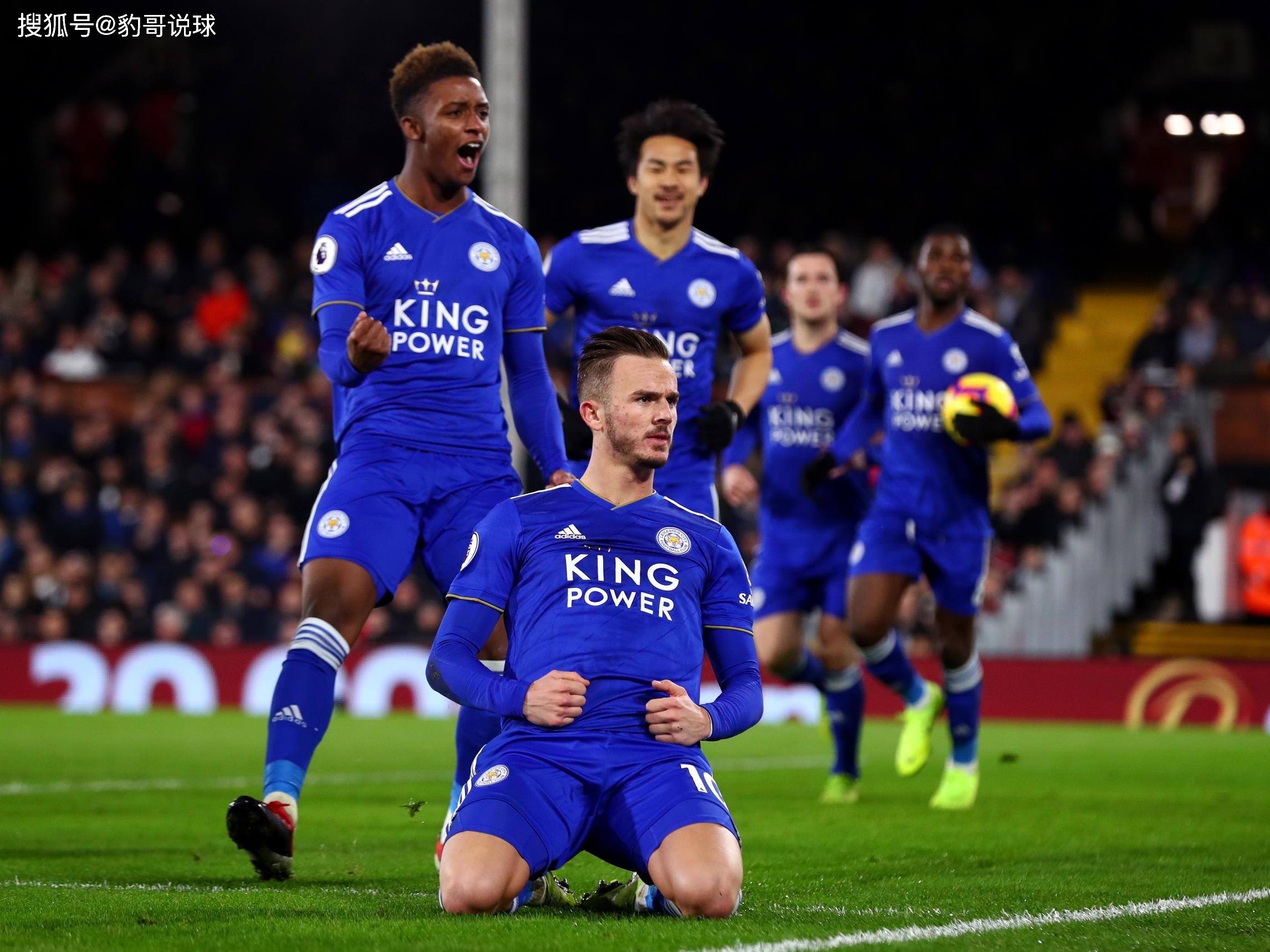
I'm seeing that there's a cost associated with a compressed schedule, as data shows injury rates, especially hamstring injuries, increase with recovery times under 72 hours. The additional stoppage time in the 2023-24 season may lead to even more playing minutes, further exacerbating injury risks.
To mitigate these issues, I suggest authorities consider reducing the Carabao Cup semifinals to a single leg, creating more Friday and Monday match slots, and providing a true winter break. For fans, they can expect more player rotation, possible performance variances, and a shift in priorities for European away legs after busy domestic fixtures.Compact analysis of EPL's European performance
I want to discuss how refereeing leniency may lead to less rest for players, affecting performance. While travel distances in England are moderate, global pre-season and winter tours can add strain.
The analysis should consider various factors: the schedule is important, but it's not the only reason for poor results. Tactical mismatches and differences in team control play a role too, with EPL teams often favoring a transition style compared to more controlled European teams.
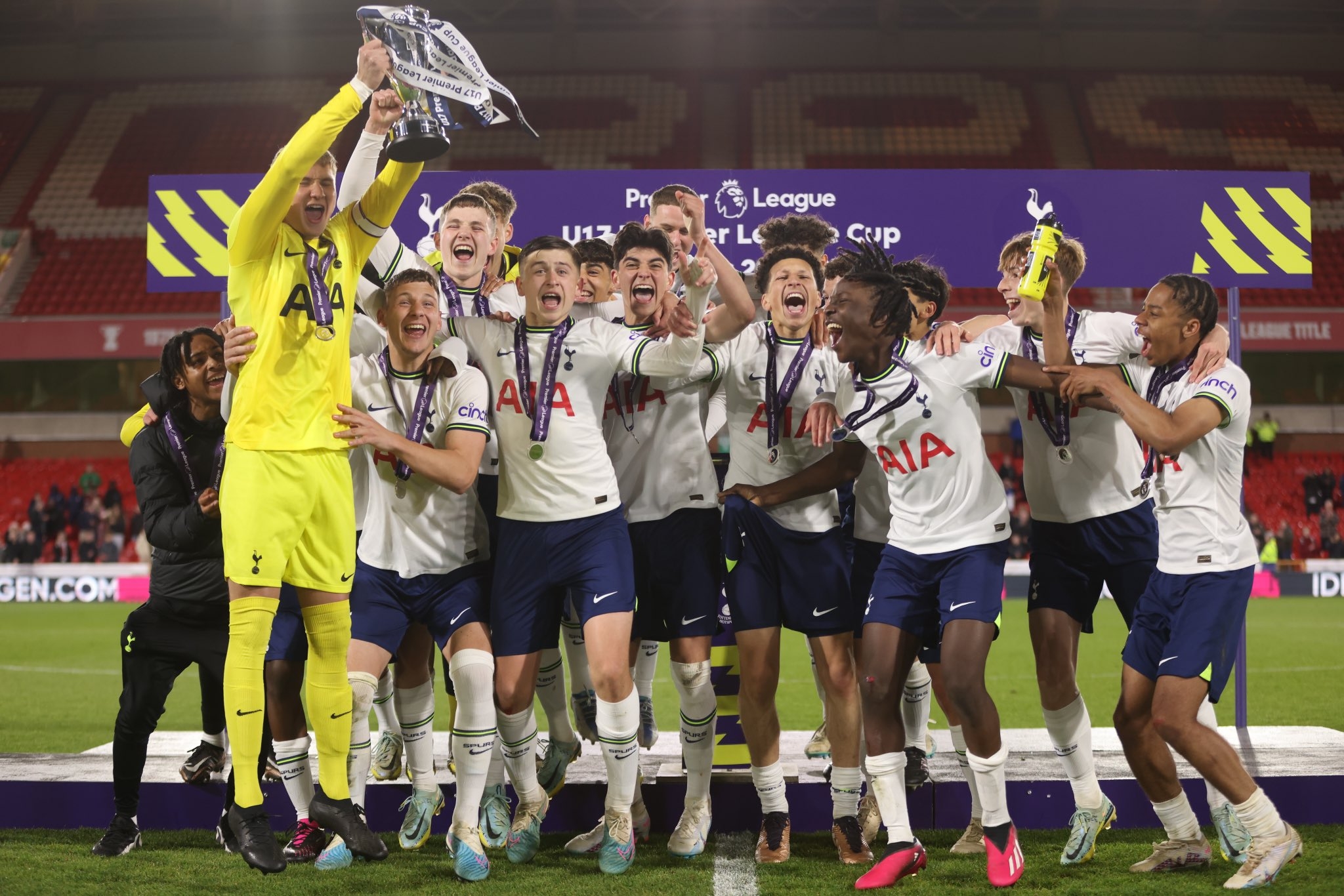
It’s notable that mid-table EPL squads have depth due to funding, increasing competition intensity, unlike Bundesliga teams like Bayern that can rotate players easily. We can summarize by offering to analyze a specific club's calendar and rotation strategies if desired.
简短结论:
为什么英超更“难扛”高密度赛程
“29天9赛”常见成因(样例)
对欧战成绩的具体影响
教练组通常怎么扛
联赛/机构层面的改进空间
能不能扛?结论与预期
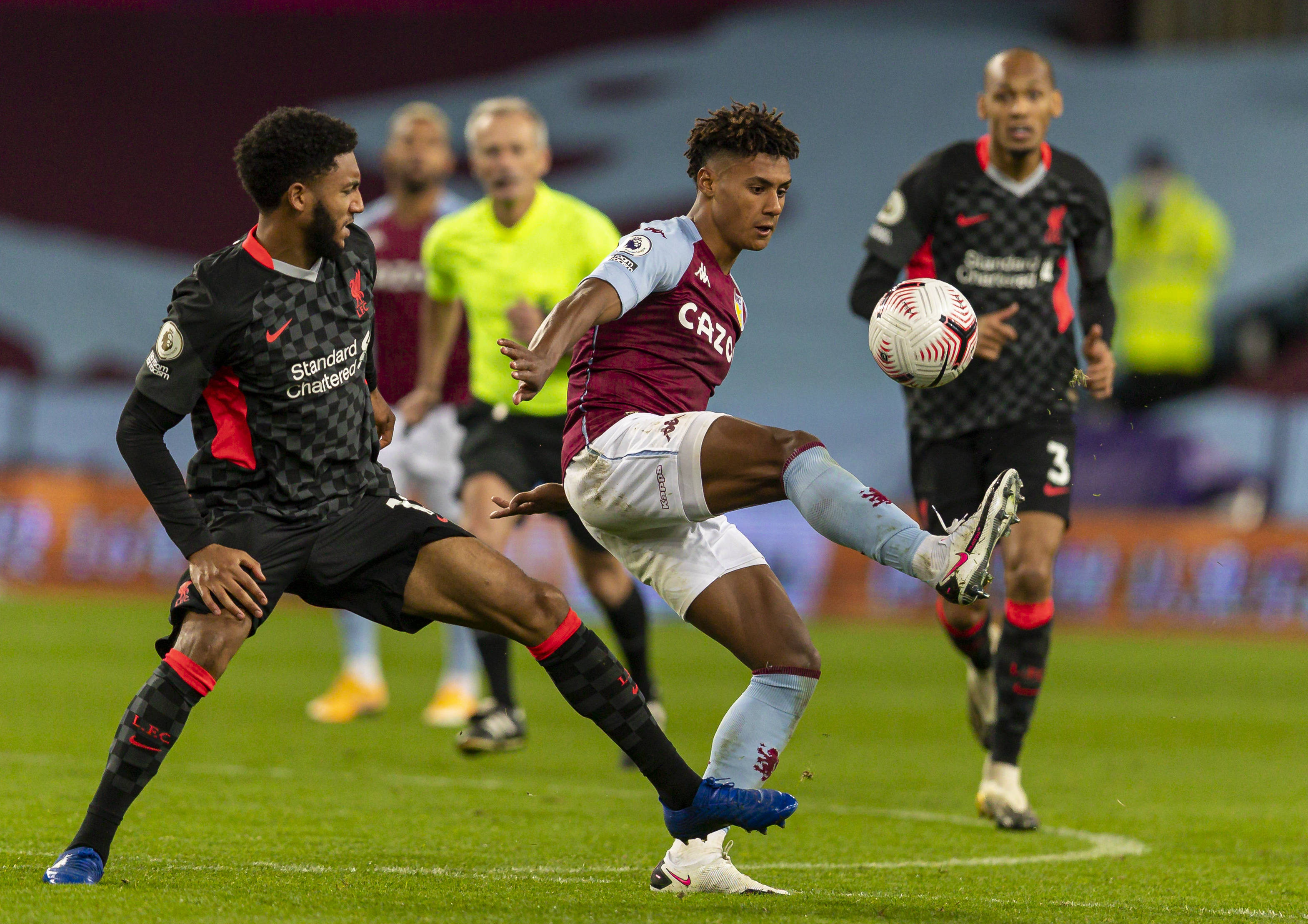
如果你关心某支球队(例如曼城/阿森纳/利物浦等)的具体“29天9赛”窗口,我可以按实际赛历帮你做一版轮换与负荷建议(谁打满、谁限时、哪些场次优先级调整)。


 微信二维码
微信二维码